
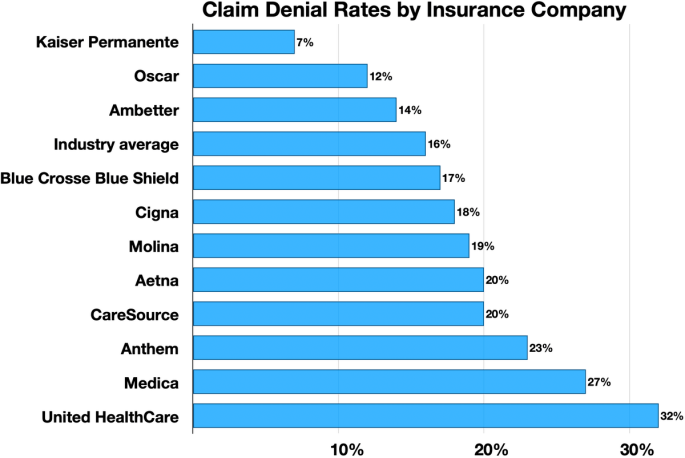
I called my medical insurer to dispute some doctor bills I’d received that they denied. The recorded voice of a lovely woman led me through the maze of prompts telling me what to press on my phone to ‘better serve me.’ After getting through the first number sequence that vaguely applied to my needs, my 16-digit account number was requested. I managed to key it in right the third time and the charming voice directed me to their website for service, along with a sales pitch while I waited on the line for another 10 minutes.
I wanted to hang up, but didn’t. I had several questions, and it would take me too long to describe my issues clearly in writing, so I had to talk with them to resolve the problem. But left waiting on hold it occurred to me that they don’t want problems. And questions answered directly are a liability. And issues? Well, we all have issues, honey.
I let fifteen more minutes pass before hanging up.
Two days later I called again, with the exact same results. I hung up twenty minutes into the call. I didn’t have the time to wait on the line while getting two kids ready for school before going to work that morning.
A few days later I called again. After running the gauntlet a third time I waited on the line to connect with a Customer Service Rep and found myself getting more and more agitated with each passing moment. They were blowing my time and I knew they didn’t care. I guess to them, cutting staff for the minimal cost savings, and enacting the insurance industry’s creed of “delay, deny, defend” was worth part of my sanity.
I waited on hold for 15 minutes when the operator finally came on the line. The first thing she asked for was my account number, the same one I punched into the phone earlier. After a series of ‘security questions,’ twenty minutes into the call we at last got around to my issue, which I explained in great detail. The CSR put me on hold for 10 more minutes before she came back on the line and informed me her records only went back 90 days, which did not address the bills in question. Her managers had access to my full records, but they were in meetings all day and I’d have to call back, or I could go to their website and file a dispute.
A half hour into the call and my blood was boiling. With a curt ‘Thank you,’ I hung up and logged onto their website knowing it would yield no results.
In ten seconds I was on a webpage with a blank field for writing to Customer Care. It took me a good hour to construct a document that explained my problem clearly, and I sent it to them. The next day I got an email back from a service rep that told me he could not release my records without ‘security information’ that he advised me not to give online, and then gave me an 800 number—the same one I had been calling for days—to contact a manager to assist me.
I went back to their website. Anger poured off my fingers and into my words as I typed. I cursed them for making it as time consuming and difficult as possible to communicate. I indicted them for the billions they make annually from all the erroneous bills paid by customers who don’t have the time or the will to run their maze to correct discrepancies. I threatened to choose a different insurer, knowing it was futile since pretty much all corporations rip us off these days. I let my hate for the Insurance industry pour off my fingers, a pyramid scheme from its onset, stealing from clients daily, denying legitimate claims and no one is stopping them. (They are the third largest lobbyists in this country. They get what they want from our govt.) I pointed out social media’s response to the shooting of the United Healthcare CEO, and even confessed to siding with the guy. I purged because I could, because there was no one real on the other end. In fact, I knew anyone who read my email would not care they were stealing from me to keep their job.
It took me less than 10 minutes to exorcise my rant and I was still on rails when I dismissed the idea of deleting it. I pressed send.
That was a mistake. Within an hour I got a call from my husband. He’d been called by the head of HR at the multi-national corporation he worked for to inform him his wife had threatened to shoot the employees of their insurance carrier. My passionate denial and explanation of events leading to my email outburst saved me from prosecution. But in an ironic twist, I did finally get to talk to a customer service manager, who researched my claims, and in the end the insurance company paid the doctor bills in dispute.


 jcafesin.com