I See You

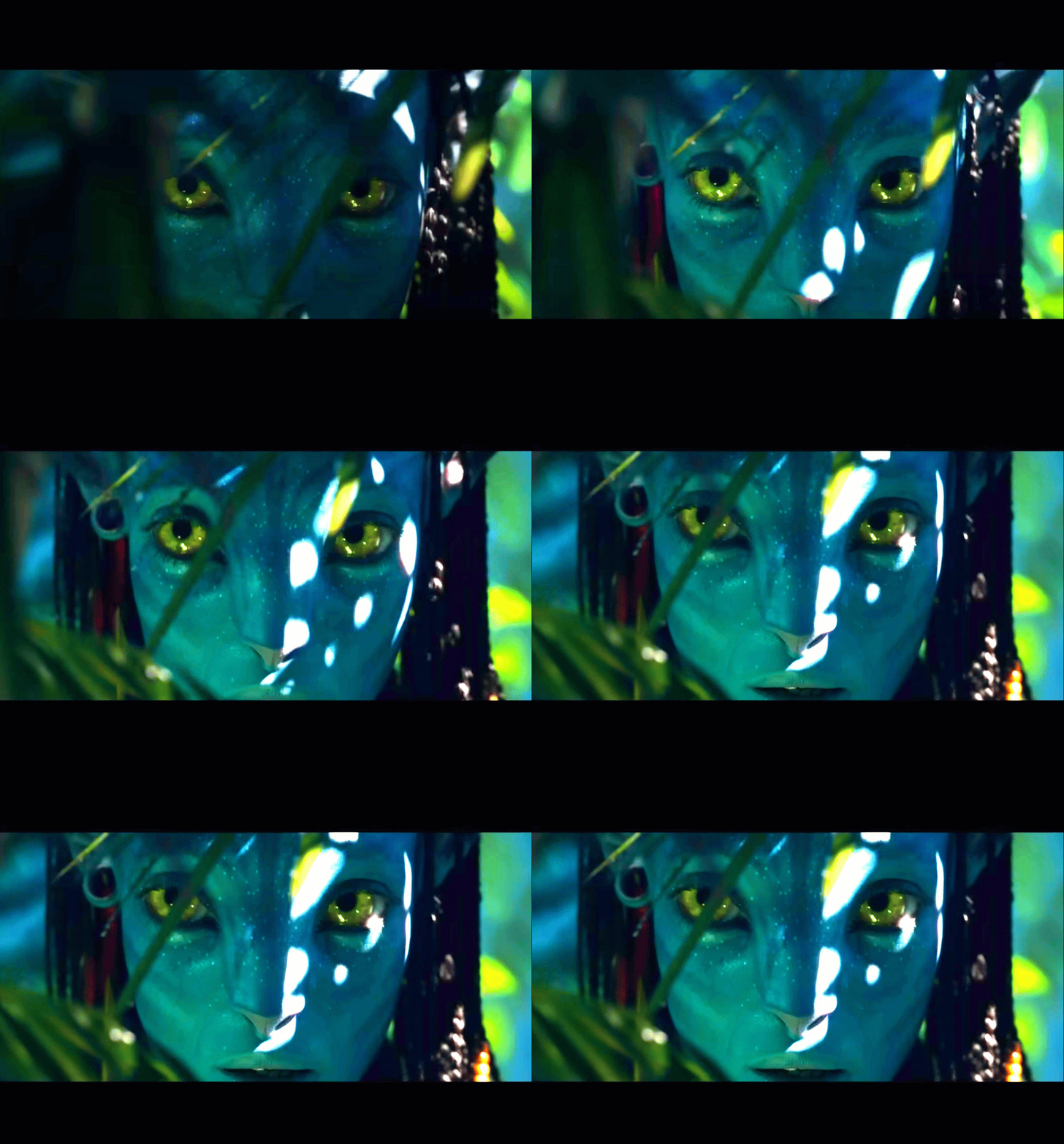
I am an Empath.

Wait! Before you roll your eyes and click off this post, I don’t have any paranormal powers. It isn’t magic that I can read people. I’m not psychic. I can’t glean people’s “energy,” whatever that means, or any of that mystical crap. I am a devout atheist and use the word “devout” with purpose.

What I can do, is tell you what you’re thinking and feeling, generally before you know.

How?

If I’m in physical proximity to you, your body (posture, eye contact…etc.), and facial expressions give me tons of data about what you are experiencing inside your head. We all have this ability to read physicality, though most people hardly pay attention to one another, except on rare occasions. Ever had a blind date? The first second you see your date in person, you can tell if they like how you look.

In-person, or not — over the phone, or web, I ask a LOT of questions. And I listen to your answers. My brain picks up inconsistencies in what you’re saying, telling me you are lying to yourself, and subsequently… me.

The first time my husband (of 26 yrs now) met my mother, she said to him, “My daughter (me) was born old.”

What she meant was, I was born plugged in outside myself. I don’t know why. A genetic anomaly? My senses feel hypercharged. Touch, taste, sound, even vision (clarity in peripheral sight) seems heightened compared to most (and not just by my reckoning). I live outside my own head in the company of others. Watching. Listening, my brain constructing patterns of behavior. OCD? Bipolar? Maybe. I’ve spent a lifetime trying to process the massive amount of information I get from others, and it’s exhausting. And I wish I could shut it down, live like most everyone else.

Sort of…

I’ve picked up patterns in human behavior along the way. Lots! It’s another reason I can tell what you’re feeling, often before you know. I can now predict likely responses to an enormous array of specific stimuli. It’s a fantastic tool for writing believable characters. And understanding what motivates people is equally beneficial for developing marketing campaigns with great response rates.

Yet, I struggle with living plugged in outside myself. It’s emotionally costly. I lose myself while inside others, acutely feel their sadness, their fears, and hopes. I’ve tried to shut my senses down with drugs, prescription, and not. I had an allergic reaction to Prozac that almost killed me, and no reaction at all to weed over time.

I’ve become a recluse for the most part. I avoid crowds. I limit my intimate friendships to very few. I stay plugged into my two kids, my husband, our bratty, but cute Shepard pound-hound, which serves them well, though at times, probably not me so much. I disappear, absorbed in them, their feelings often muddling my own. (To be fair, the dog’s needs are simple. No hidden agendas, no unconscious complexities. She makes her feelings obvious. Thank you, Elly!)

I am grateful and humbled in the extreme by the immense and intense range of feelings we all get to experience being human. However, I’ve felt consumed with anger, fear, isolated, lonely, left wanting of myself and others. Sometimes dark feelings overshadow all lightness, and it feels like the only way out of seeing so much, feeling so much, is to check out.

I get that living is a choice we make, daily. While I’ll continue to choose living, be here for my friends and family as long as I can, I must admit, there is, and has always been, a beckoning to shut it all down, kill the noise in my head, turn off the input. Unplug, for good. I’ll never check though, regardless of how weighted living feels sometimes. As an empath, and an atheist — knowing I’ll eventually cease to exist — my greatest fear is feeling nothing at all. Forever.

The Good Life

To escape the bickering, and whining, and catering to the needs and desires of everyone’s demands, I took our dog, Annie, for a walk on a quiet fire trail near our house. Bright and beautiful out, a sweet sea breeze came over the Oakland Hills with the afternoon sun. The mile and a half dirt path along the base of the foothills was mostly vacant, rarely used by even residents of the neighborhood, so I did not leash my dog for the walk.

I saw someone from where I stood on the ridge while I waited for Annie to finish marking her territory in an open field. A woman was coming towards us on the trail below, and I tensed as I scanned for the dog she was most likely walking, but saw none. Still, I called my 70-pound Shepherd-mix to me. My beautiful pound-hound was a bit unpredictable with other dogs. Play. Fight. Run. I never knew which, or why. She passionately loved people, though most didn’t appreciate her bounding up to greet them.

Annie came to me, and I held her collar as we stood on the ridge and watched the woman trudge up the hill. Her white hair looked almost like a silver helmet in the sunlight. She walked slowly, and carefully, and hunched. I made her out to be in her mid-70s. My dog started whining the moment she noticed the woman approaching, then practically yanked my arm off trying to pull away from me and go meet her potential new friend.

The woman was 30 feet away when she noticed us, looked up and stopped. I loudly assured her my dog was very friendly and loved everybody, and that I held her securely, asserting there was no need to worry. The old woman looked at my dog wagging her tail wildly and whining incessantly, and she smiled. She confidently told me she loved dogs, then called mine to her with a pat on her legs and words of welcome. I let go of Annie’s collar. She lopped over to the woman, ears back, but tail up and swishing, and sidled up to her, leaning her downy-soft, muscular frame into the woman’s legs. I joined them on the path where the woman stood stroking my pound-hound.

The old woman gently ran her hand along the length of Annie’s back again and again while extolling the animal’s Sphinx-like appearance and friendly nature. Annie was mesmerized with her touch, as my dog was with just about anyone’s, but the woman seemed to really enjoy the contact as well, her expression set in a soft, contented smile. She explained she’d had several dogs during the years she and her husband raised their three kids. The dogs had passed on, the kids had moved on, now with families of their own. Her husband died two years back and for the first time in her life she was alone.

Her kids, even her grandkids kept telling her to get a dog. I chimed in with words of encouragement, told her about getting my dog at eight weeks old from a kill shelter in Manteca, and ranted about some great local shelters where she could find a great companion.

My graceful hound took off after a squirrel, startling us both. The woman began brushing the dog hair off her pants, but a lot of short hairs were woven into the navy polyester and clung to her pant legs where the dog had leaned against her. “I’ve spent the last 50 years of my life attending to others needs—cooking, cleaning, and more cleaning, and taking care of everyone else. I told myself I deserved a break after my husband lost his three-year battle with brain cancer. I would travel, get out to the movies and play canasta, live the good life.”

Annie came bouncing back, long tongue dangling from her panting (grinning?) mouth. She came to me first to get my pat, then went back to the old woman for more strokes, which the woman gave willingly. “I’ve been on three cruises in the last two years. I play canasta twice a month, and see all the new movies I want.” Again she seemed…pacified, by patting my dog. “Turns out, the good life was when I was needed. Being counted on made me feel vital, and valued. Now, no matter what I do, I mostly just feel lonely.” She straightened and brushed her pant legs off again as my dog swaggered over to the tall grass and lay in it. “I think you all may be right. It’s time I got a dog.” She gave me a pleasant smile. “It’s been a pleasure chatting. Good day to you.” And she went on her way.

I stood there watching her walk along the path, her words echoing in my head. My kids were 12 and 14, and beyond their bickering, and continual demands of my time and energy, parenting them was simply the richest, most rewarding experience of my life. They made me feel vital. Valued. And with my life so integrated into theirs, and my husband by my side joining me in this grand adventure, I virtually never felt lonely anymore, like I had so often before them.

Annie lay in the grass sunning herself. I gave a quick whistle, and she popped up and joined me on our walk home. I stroked my dog as she walked by my side, glad to have her with me, counting on me, as my kids and my husband did, and probably would for many years to come. I imagined the old woman’s empty house and anticipated the tumult in mine.

And suddenly, I felt very lucky indeed to be living the good life.

A Little Kindness

The other day I was running my usual route and a woman pulled her car out of a business park driveway and blocked my path. The instant she saw me approaching she pulled her car back, allowing me room to continue running on the sidewalk instead of into the street to get around her. I smiled. Waved thanks as I passed in front of her car. She smiled and waved back. Felt nice, made the rest of my run less jarring, lighter somehow. Simple really, but oh, what a simple little kindness can do…

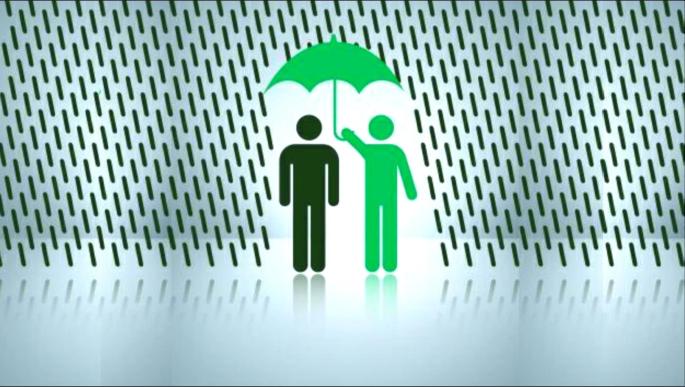
Most every day someone does something kind; lets us into their lane on the highway; opens a door, holds an elevator; Likes our update or post; simple acts of kindness that personify our potential for goodness. And while this may seem small on the surface, the residual effects of these displays of caring build trust, connecting us to each other, reminding us we are not invisible but valued, and giving us hope in our humanity.

We hear about the bad all the time. We hear about the good, too, but on the large scale, like doctors going to Nepal after the quake, or philanthropic superstars and their latest causes. But it’s really the little acts of kindness that unite us, everyday simple actions that show we care for one another, and the world we inhabit, that build a solid foundation for our race to thrive.

What simple act of caring did you give or receive today?

Please SHARE the act of kindness here in comments, and exchange a little hope…

Food in Fiction

Ever had a blind date?

While women are worried the guy is a psycho-killer, most guys are worried the woman will be fat.

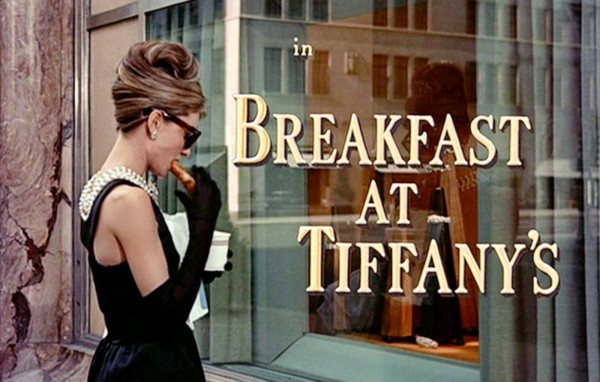
I’ve always had a…complicated relationship with food. I grew up in the 70s and 80s, when heroin addict thin was trending chic. My mother’s favorite actress was Audrey Hepburn, because she was, “So beautiful and thin!” The perfect woman when I was a kid had a 36” chest, a 24” waist, and a 34” hips. A 24” waist is a size 2, in women’s clothing. How many women do you know who wear a size 2? Not me!

As a writer, food plays a huge role in every story I weave. Often, as in my novel memoir, DISCONNECTED, it’s a main character. Rachel sought what most women did—to be successful, married and in love, have healthy kids. It was hard enough attracting a man when she wasn’t heroin thin like most Hollywood women. But in the 1990s, finding a man wanting an equal partner instead of an arm piece, a woman beside him instead of behind him, seemed the impossible dream.

Then along came Lee…

And Lee was an overweight, weed addicted gambler, who devoured food like he did most of life. Modeling Rachel’s father, Lee ate every meal as if it were his first, and last. He took her to great new restaurants, and late night cafes where they got intimate over fritters and pies. Flattered by his interest, and enamored with his charm and wit, she indulged with him. But Rachel was always fighting her weight, mindful of every calorie she ate. And it didn’t take long for her to figure out they’d be a train wreck together. But by the time she did, she was in love with him.

In every novel or short story I write, food is described intimately for the reader to partake in the eating experience. Readers smell each dish placed in front of the characters; feel the heat, or cold on their lips and tongue; then savor munching chewy, crunchy, or smooth blends of flavors and seasonings.

Consuming food is probably our most communal activity. Meals are often shared, as are treats like ice cream, and popcorn. And holidays are all about eating together. I write character driven stories. And sharing a meal is a great stage for revealing intimate details about the people at the table.