Storytelling is Truth Tweaked

Way before writing novels, I was a storyteller. Before I could write, I used to come to breakfast and recount tales of elaborate adventures I’d had during the night with my stuffed dog, Checkers. The purpose was to garner my mother’s attention, a precious commodity given mainly to my manic-depressive brother and egocentric sister. The stories I chose to relay often had a point, a message I was trying to communicate. I was saved from evil kidnappers by a kind stranger because my parents weren’t there to help me. I climbed the Matterhorn ride at Disneyland and rescued the children stuck at the top, illuminating my prowess, and kindness.

Like most professional writers, I’ve written since learning to write, at first in diaries, then personal journals. I now publish essays, short stories, and novels. I love the process of writing, even editing, again and again—honing my words to transmit to the reader the scenes unfolding in my head, and the essence of those in the narrative.

Similar to storytelling as a little kid, each work I pen to publish has a point. I write fairy tales that challenge social norms. I write personal essays against the grain of the status quo that often inflame readers. But beyond writing to publish, I still am and will always be a storyteller. I use stories as parables, to teach with, to convey ideas, thoughts, and feelings, to my kids, my husband, my students, my peers, basically most anyone I interact with. The stories I share are things that happened—sometimes to me, though often just things I’ve heard along the way—to communicate, or to fit the lesson. More precisely, I elaborate on things that happened. I fabricate truths to add drama, or context to the tale, or to drive a point home. Admit it, or not, we all do.

Long time ago, I was told the best way to pull off a lie is to keep it as close to the truth as possible, just “tweak the truth.” It’s easy to pull off a realistic tale this way, since most people aren’t paying that close attention anyway. We take what is said (or what we read) at face value, only questioning its validity if it’s too far out there. I find I need to tweak the unvarnished truth more often than not to be heard, or believed, as truth is either too boring, or too bizarre—truly stranger than fiction so much of the time.

Fiction may be truth, tweaked, but so are blogs, memoirs, non-fiction, even ‘news’ articles—they are all simply the point of view of the writer/storyteller trying to communicate a feeling or message. FOX Media is the Republican point of view, and will give you a completely different take on the ‘news’ than CNN, or PBS. But truth tweaked goes far beyond the news media. Even the most far out fiction like Twilight or Harry Potter resonates with us because they communicate real, true feelings that are familiar to us all. They exploit the truth of our hopes for a better world, a more just society.

Storytelling is the foundation of human communication. Before written languages, sharing stories was how we passed on our history, learned from our experiences, instilled morality into our communities, and advanced our race. We all elaborate on our stories, writing them down, or simply recounting an event in our day. We all tweak the truth to serve us, to present an image, teach our children, or convey our fears, desires, and dreams.

For as long as I can remember, most every time I tell anyone I’m a writer, they respond with, ‘Oh, I write, too,’ (because they keep a diary), or, ‘I’m going to write my story soon.’ Used to bug me. I felt dissed by their self-proclaimed association, while they invested little to no effort in my chosen, but absurdly challenging profession. And though most will never actualize their writing ambitions, the fact is, they too are telling a tale to communicate an image to me, and to themselves—that their stories are valuable, their life meaningful, tweaking the truth to serve their agenda. We are all storytellers indeed. 
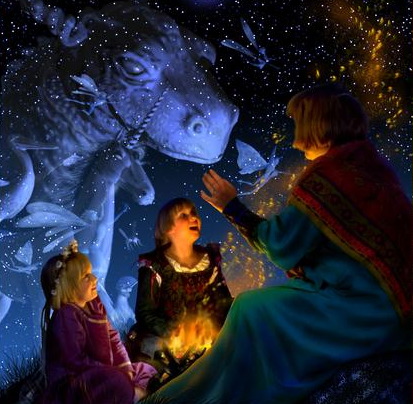
On Writing Fiction

Am I two inches from the floor I can’t see, or the next step is a 200 ft drop?

Been fighting myself over this since I started writing fiction. I face this battle every damn day I sit in front of my laptop, the cursor blinking at me, waiting patiently for me to decide if I should quit fine writing today, and go back to writing copy, because unlike continuing to write fiction, a ‘real’ job will get my kids through college.

Then the voice of Fantasy taunts: “It is possible if you keep writing and marketing your fiction that you’ll get well known enough to make a living as a fine writer… I could be an inch from the ground right now… it’s possible…”

This voice is evil. A demon. The idiot in my head that keeps me fine writing. People who’ve read me, and contacted me with praise, they too encourage my stupidity, bolster my Fantasy voice that spurs me on to continue writing fiction, even though I don’t make any real money at it, and likely never will. The more I’m purchased, or even just read online, the more I’m ripped off. Hundreds of affiliate marketing sites pop up when searching my name now, offering downloadable PDFs of my work. Free.

I dream of making fine writing my sole focus, market only my books, and quit taking on marketing gigs. But I don’t. The smarter part of me knows that focusing my creative energy fine writing puts me precariously on the precipice of that 200 ft drop in income.

I write to be read. So, not making an income, as long as I’m read, which I am more and more, wouldn’t really bother me, except I need money.

My Fantasy demon goes to war with my voice of Reason daily. The battle goes something like this:

What needs to get done today?

Well, you should get the, ­(fill in current project), stuff started/done.

Or, you could write The Power Trip.

Hmm…

Fantasy is so much better than reality. It’s why I write—to escape here, into a world that’s never boring, tedious, tiring, like the real one is so often.

I’m told by selling authors that I should pick a genre and write religiously to that genre to market myself more effectively. In fact, series are even better. I must write series. Romantic detective series, or dystopian fantasies with a strong female lead, as women empowerment is all the rage for the foreseeable future. Over the last 10 years I’ve been writing to publish, I’ve watched genre and series writers become known using the Freemium marketing model. Give away the first in the series and charge for the next book, and then spend the next ten years writing the same basic tale with the same cast of characters over and over.

Shoot me now if being a successful writer means traveling the Freemium series road. Fiction should evoke feelings, thinking, create new ideas (like H.G. Wells, whose words have been actualized into today’s tech). How can an author hope to achieve this, focused on production writing for sales, instead of substantive content? I want to read about complex characters in the first book, learn about them, from them, and about myself. I don’t want to read characterizations where actual people never emerge from the repetitive story line.

My Twitter profile says: Novelist. Essayist. Realist. Idealist. A recent follower inquired how I am both a realist and idealist simultaneously. “Doesn’t that make you, well, like crazy?”

It’s true. I’m crazy. I get it. And it’s also true that between Fantasy and Reality is the Grand fucking Canyon. The problem is, I can’t seem to get off the wire of Hope that bridges them.

Food in Fiction

Ever had a blind date?

While women are worried the guy is a psycho-killer, most guys are worried the woman will be fat.

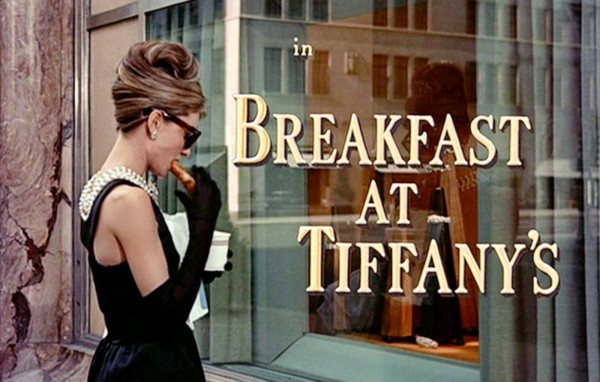
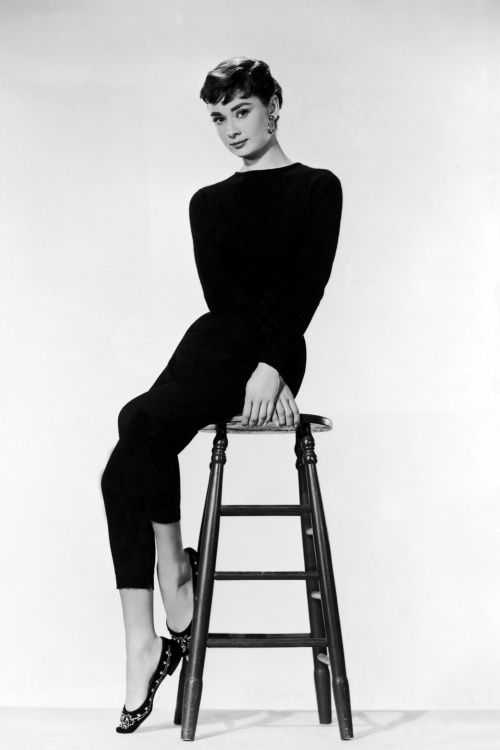
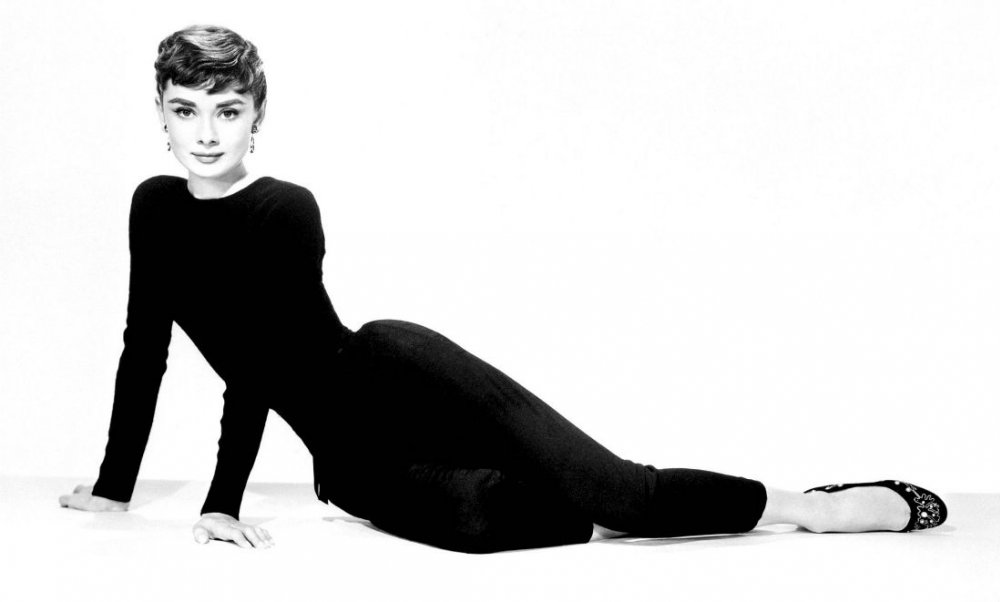
I’ve always had a…complicated relationship with food. I grew up in the 70s and 80s, when heroin addict thin was trending chic. My mother’s favorite actress was Audrey Hepburn, because she was, “So beautiful and thin!” The perfect woman when I was a kid had a 36” chest, a 24” waist, and a 34” hips. A 24” waist is a size 2, in women’s clothing. How many women do you know who wear a size 2? Not me!

As a writer, food plays a huge role in every story I weave. Often, as in my novel memoir, DISCONNECTED, it’s a main character. Rachel sought what most women did—to be successful, married and in love, have healthy kids. It was hard enough attracting a man when she wasn’t heroin thin like most Hollywood women. But in the 1990s, finding a man wanting an equal partner instead of an arm piece, a woman beside him instead of behind him, seemed the impossible dream.

Then along came Lee…

And Lee was an overweight, weed addicted gambler, who devoured food like he did most of life. Modeling Rachel’s father, Lee ate every meal as if it were his first, and last. He took her to great new restaurants, and late night cafes where they got intimate over fritters and pies. Flattered by his interest, and enamored with his charm and wit, she indulged with him. But Rachel was always fighting her weight, mindful of every calorie she ate. And it didn’t take long for her to figure out they’d be a train wreck together. But by the time she did, she was in love with him.

In every novel or short story I write, food is described intimately for the reader to partake in the eating experience. Readers smell each dish placed in front of the characters; feel the heat, or cold on their lips and tongue; then savor munching chewy, crunchy, or smooth blends of flavors and seasonings.

Consuming food is probably our most communal activity. Meals are often shared, as are treats like ice cream, and popcorn. And holidays are all about eating together. I write character driven stories. And sharing a meal is a great stage for revealing intimate details about the people at the table.

Writer’s Block

…or The War Inside My Head

fhji

I have time to write the 2nd draft of PT. Or, at least, I can make time. But I’m NOT WRITING it.

Why? WHAT IS THE FUCKING PROBLEM?

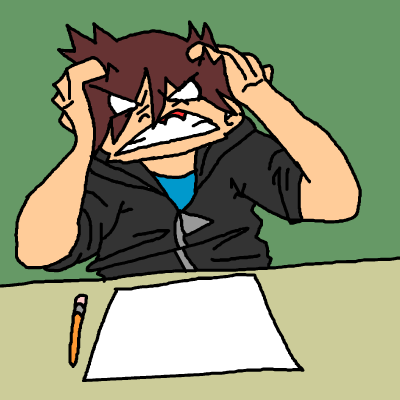
I CAN’T THINK OF STORY. HELL, I CAN’T THINK other than about my fucked up sitch, in the REAL WORLD, outside of fiction!!

So, what to do with that. I’m thinking enough to write this, right?

Yes.

Then write something else.

Like what?

PT.

Fuck off. Are you NOT hearing me?

Yes. I hear you. OK…so you can’t write PT. Can you write something else in fiction? Non? A blog?

I don’t want to write a blog. I want to write PT, but I can’t THINK!

Hmm, we went over that. You’re thinking right now. Just not about the right thing. So, lets break the problem down. You say you need story for PT. OK. Make some up.

But that IS the problem. I CAN’T THINK OF ANY. Are you deaf, can’t hear me screaming at you? Stupid? What’s your deal?

You. You’re giving yourself no out, no way to hear your muse, let alone create with her. You’re back in algebra, the gates of your brain shutting down, like the steel doors on the Get Smart opening.

Thanks, for stating obvious. You’re not really helping me here.

OK. so, you want ideas for PT.

Yes. Please. Now would be good.

Hmm…dystopian, right?

Yeah, but on the verge. Just a bit forward.

Pitch of important points, in order: Predictive modeling gone wrong; Absolute power corrupts absolutely.

Yup. But I got that bit. And that’s not story. It’s exposition.

OK. OK. Chill! Jeez. Give me a minute…

40 years later.

If you don’t shut up, it will be.

So, what happens next…