

I hate running.
It hurts my legs, my lungs, my back, my tits.
I run between 3 and 4+ miles, five days a week. And I’ll continue to run as long as the benefits outweigh the drawbacks.
I hate feeling fat, and running is the quickest calorie burn I know of (my me-time is hugely limited with an active career and two kids). Running helps me think. It not only activates neural connectivity, it’s also a quiet space, undisturbed by kids or clients. I get to listen to my music, blasting through my earbuds, let it absorb me, the rhythm drive me, and in moments it feels like I’m flying.
I run whether I’m healthy, sick with a cold or flu, or anything else that isn’t laying me out on my death bed. I’m afraid if I give myself one excuse not to run it will lead to another, and in short order I’ll quit running. But I won’t quit, as long as the benefits serving my needs outweigh the hardships.
Benefits that fulfill Need/Desire is, or should be, the foundation of all marketing efforts.
Digital advertising is now the hip slick and trendy way to market. And no doubt, there are great marketing opportunities online. Websites, landing pages, social media marketing, e-blasts, analytics…etc, are TOOLS to market with. But marketing online, or offline, IS THE SAME THING. The basic principles of marketing must be applied to sell and grow any company.
Print, online, or on the friggin moon, Marketing is selling BENEFITS that fulfill WANT. There is no such thing as NEED. It is merely a construct of desire. Advertising, PR, branding, visual design, copywriting, marketing communications are, or should be, developed, designed and produced to SELL products/services/ideas/messages. ‘Likes, Engagements, Views, Impressions’ are all bullshit “vanity” metrics to stroke egos so you’ll buy more online ad space.
Startups these days typically begin their marketing efforts by flooding the internet with digital ads, videos, polls, games and such. These branding and selling campaigns push products and services without distinguishing a clear desire or solution for anyone. They do not tout the benefits of what these startups are selling, or identifying any specific groups of people who will likely find value in the features of their offerings. No matter what Google and Facebook tell you about their targeting AI algorithms, online ads are not tightly targeted to people likely to benefit from your specific product, service or message. This “Fire, Aim, Ready” approach clearly illustrates why 90+% of all startups fail.
I’ve been a MarCom specialist in the San Francisco Bay Area for 20 yrs. I’ve worked with a ton of startups who do not consistently promote their offerings features and benefits, or realign their marketing efforts to outshine competition, nor do they invest in developing new products that fulfill anyone’s desires. And I’ve watched them fold again and again, sometimes in ridiculously short order.
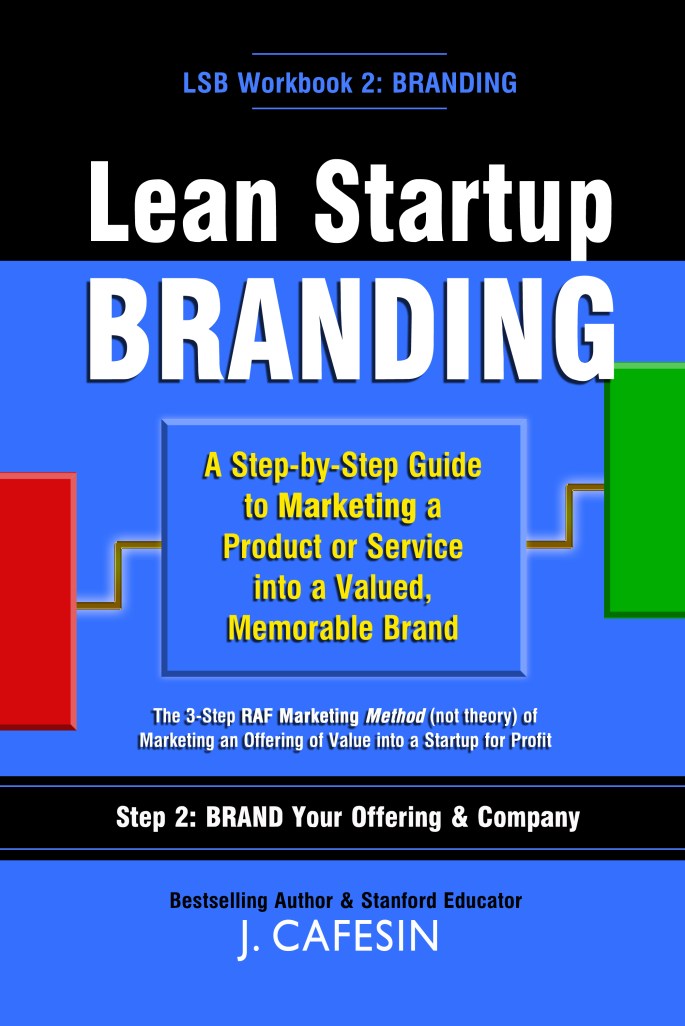
Marketing 101— IN ORDER (Ready, Aim, Fire!):
1. Get Ready and Productize Your Idea: Identify the features, benefits and differentiators of your offering that fulfill a desire, or offer a solution to specific target markets likely to find value in your product, service, or message/mission (non-profit).
2. Take Aim and Create Brand Identity, and Marketing Campaigns: Establish an identity (logo), and voice (tagline), as well as marketing efforts—digital, print, and pitch (in-person) campaigns that fulfill a desire, or offer a solution to each specific target audience.
3. Fire!—Launch Marketing Campaigns: Motivate people to ACT—to click, to subscribe, try, or purchase your offering, or buy into your message.
The new order of entrepreneurs are weened on social media and tech. Universities, startup schools and bootcamps generally teach their students to launch backasswards. They promote the MVP model of innovation. Building a MVP (minimum viable product) may have worked for a handful of successful startups, but it took them a hell of a lot longer to reach profitability than necessary. In most cases, MVP is a recipe for failure. Relying on consumers to figure out what benefits your offering should fulfill for them is time consuming, expensive, and lazy. It is the job of the entrepreneur to produce a product or service of value for specific groups of people before launching your business.
Unfortunately, opting for A/B testing, and SEO keyword tricks over real content—selling benefits fulfilling a desire—and relying on Google Analytics doesn’t actually SELL much. Measuring response rates isn’t new. It’s been in the background since advertising began, and generally offers limited utility. Marketing is dynamic! Results vary by target audiences, the day a campaign launches, time of day, day of week, the weather, behavioral trends, sociological and financial climates, to name just a few factors that determine response.
The principles of Marketing may be simple, but motivating people to bend to our will is not easy. Beyond the primary building blocks of any campaign, (Ready, Aim, Fire), at the core of effective Marketing is psychology. Online, or on Mars, understanding your customers and potential customers’ psychology is mandatory if you want the greatest response to your marketing efforts. Marketing pros study people, not code, since coding, especially with ever-emerging technologies, is time consuming to learn, and generally requires a different kind of awareness than psychology. I’ve yet to meet a web developer/designer who’s demonstrated mastery in marketing. Competent at software development means they’re investing their time in technology, not in the study of human behavior.
I tell my clients that digital marketing is not ‘the answer’ to effective marketing. New avenues of selling will arise, and others fade away. But the growth of any business, or nonprofit message, or even activity, like running, depends on the benefits continually fulfilling a desire for a specific group of people.

 jcafesin.com