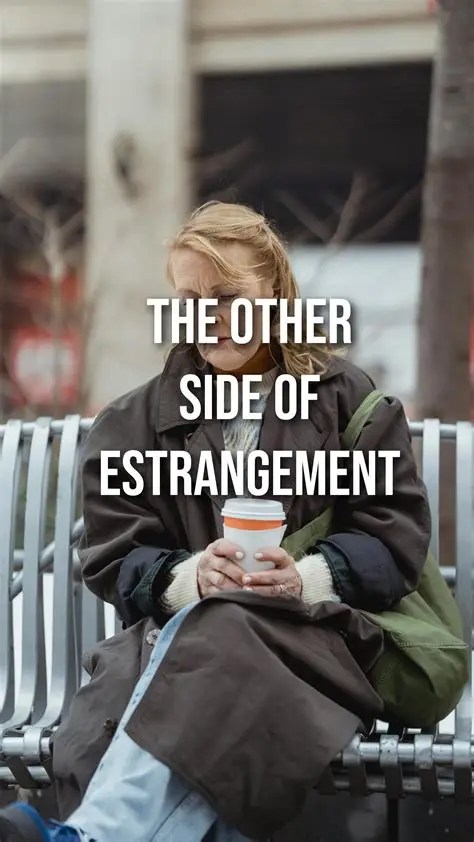
Friends come and go, but is FAMILY really forever?
The day my father called to tell me my mom had cancer, I hung up the phone, turned to my husband and said, “Well, that’s the end of my family.” I said it, but I didn’t believe it. I didn’t want to believe it, though I knew it was true my mom was the glue that bonded us to each other. I’d been an integral part of a family for 45 years. I was the baby, the last born of three, and my mom raised us all with the philosophy that friends come and go, but family is forever. And I believed her, in fact, adopted the ideal as real.
After I moved from my parents’ home I came back for every holiday, talked to my mom several times a week, called and sent gifts for special occasions. It never struck me as odd that when I called home and my father answered he’d simply hand the phone to my mother. It nicked my feelings when I gave gifts to my sisters three kids for every birthday, holiday and achievement, and they never even said “Thanks,” but my mom assured me, “kids are like that these days.” Behavior I’d never accept from a friend became acceptable because my sister’s kids were ‘family.’
During the last bit of my mother’s illness our family spent even more time together. We gathered at my parents’ home, the one we were all born and raised in, sat at the kitchen table and talked in hushed voices, my mom slowly dying in the bedroom down the hall. I spent hours, cross-legged on her bed talking with her, but when she died we were unable to resolve the lifetime of discord between us.
There was, and still is no doubt my mom loved me, deeply, profoundly, passionately. She showed it, consistently calling me to stay connected. And even though our talks frequently devolved to arguing about how she felt I should be living, she never abandoned me, exited my life despite how harsh it was between us so much of the time. ‘Friends come and go but family is forever.’
Two decades after my mom’s death, I have no relationship with my father. He does not call, doesn’t return my calls when I call him. He does not know his grandchildren anymore, has not seen them in ten years, doesn’t call them, acknowledge their birthdays, has no clue how old they are, or how proud he should be of my great kids. It didn’t resonate as strange that my mom always signed both their names with every card and gift she sent her ‘grandbabies.’ It was the woman’s role, after all, to take care of such things in the world I grew up in.
My sister stopped talking to my family sixteen years ago. Though my kids had established what we all felt was a loving relationship with their aunt since birth, about two years after my mom’s passing my sister informed us in an email that it was too much of a bother to maintain any relationship with her niece and nephew. She, too, has not sent them a card or called them since. She refuses to talk to any of us since my DH sent her a three sentence email asking her to please send our daughter her birthday card on her birthday instead of three months later with the card she sent for our son’s birthday. Oh, and he asked her to please spell her niece’s name correctly on the cards. My sister felt this was too much to ask of her, and exited our lives, an action she never would have taken when our mom was alive.
For the first couple years after my mom died, I called and emailed my father regularly. If I got him on the phone, which was rare, I made sure to have my kids talk with him. Per my mother’s teaching, I thought it important my children maintain a relationship with their grandfather. I called him. He never called me. A month or more before my kids birthdays I’d remind him in weekly voicemails and emails to make sure he’d acknowledge their special day’s. When I forgot to remind him (for the fifth time) a few days before his granddaughter’s 7th birthday, he sent nothing. And it’s been that way since.
Ever look at your life and think, “this can’t be mine”? I had a family once, for almost 50 years they were woven into my life’s story. My kids had family beyond their parents. Their grandmother, even their aunt (until my mom died) graced them with that profound measure of security the actions of love provide. They believed in their grandfather’s love as well, simply by association, since his actions were always rather lacking.
Both my kids claim it doesn’t bother them their aunt and their grandfather have checked out of their lives. They graciously remind me that they have their father’s mom, and his sister, their other aunt. But they live back east and we haven’t spent near the amount of time as a family as we did with mine when my mom was alive and just a few hours from the Bay. I find it impossible to believe being abandoned by my family as they have been doesn’t nick them internally a bit. My son, and now even my daughter will not give my sister the honored moniker ‘Aunt.’ The rare occasion she’s mentioned, they refer to her only by her given name, on par with some transient acquaintance they once knew.
I no longer have the foundation of my family I thought I once did. I see now that ‘family is forever’ was my mother’s wish, not reality. Her desire to retain the family connection she lacked in her own home growing up was so raw, and our love for her so powerful that while she was alive we all honored her need. This year, for the first time in my life I didn’t sent my dad a Father’s Day card, nor called him to acknowledge the day. I’m just so tired of pretending his abhorrent selfish behavior is acceptable.
Thing is, I can’t stop wondering what I did so wrong that my father and sister would abandon my family as they’ve done. Both fervent Republicans and religious zealots, they clearly feel we have nothing to say to each other anymore. Maybe we never did, and I just didn’t notice, languishing under the security blanket of perceived love, the spillover of actualized love my mother extended so freely.
Twenty years later I still mourn the loss of my mom, virtually daily. I’m also grieving the loss of my family. But unlike losing a loved one to death where the sting of loss lessens with time—every birthday, occasion and achievement that passes without my remaining families acknowledgment fuels my internal rage, and taints these events with a deep and abiding sadness. And I’m truly lost what to do about that. As long as they’re alive, I don’t know how to let them go.